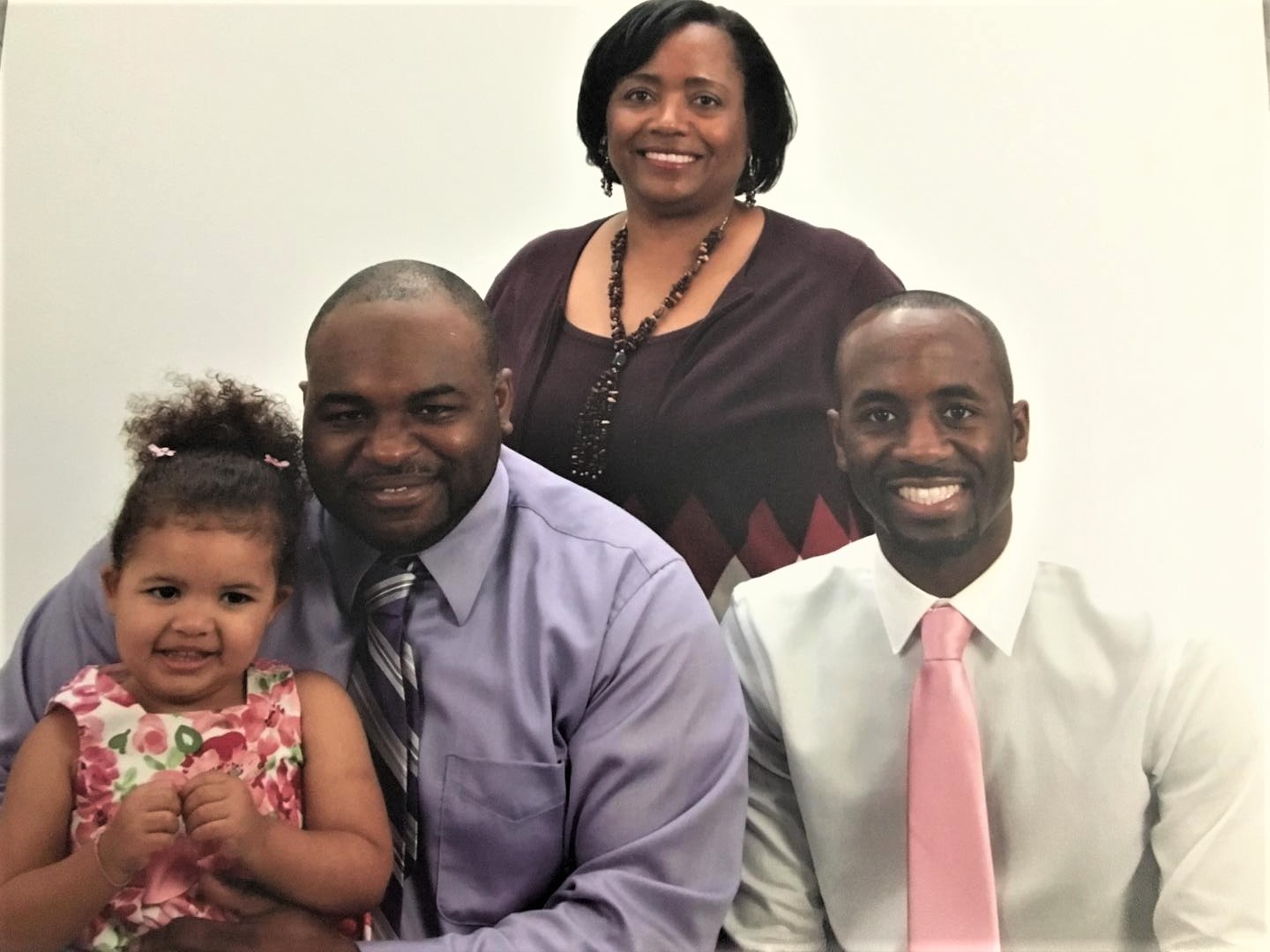
Not just parents, but the community has a responsibility to raise children right. Barbara Phillips and the CNC epitomize this concept. Their work is worthy of emulation: especially their
"Academic Coaching" Technique.
Don't wait for Superman to show up and save the day. Every community has a Barbara Phillips or two. Those are your Superhumans. They work all day on their regular jobs; raise two boys successfully; spend just about every other working hour providing support to improve the community's children; advocate for the justice and equity; does this for thirty years; and continues to do so as we speak. This is not the time nor place to go into everything Barbara Phillips has done and the impact she has had in the communities she serves, but rather to emphasize Academic Coaching and encourage other communities to use this example and the tools Synrgy provides for self-help in your communities across the nation.
What is Academic Coaching and Why?
What: Academic Coaching is a community-based effort/organization, partnering with the school system and individual schools to foster student academic success. similar to coaches in other fields of activity, e.g., basketball and football, students also require academic coaches to guide them to be successful in school, laying the groundwork to better prepare for jobs in the trades such as carpentry, welding, cosmetology, etc. Or, other careers such as education, doctors, lawyers, and law enforcement.
Why: Typically, students who are successful in school will have a coach at home or in the community to help them keep focused and disciplined. Coaches also help students to avoid the School-to-Prison Pipeline. Teachers only have students about 6 hours out of a 24-hour day and only 180 days out of a 365-day year. As is the case when parents want their students to be coached in sports, drama, and music, smart parents want their children to be coached for academic success as well.
Why In Your Community?
As is the case with just about everything else students have to learn in order to be successful, they learn much from outside the home. Oftentimes parents in the middle and upper socioeconomic strata will impenitently take parenting classes in order to learn what they can do at home to ensure their child's success in school and in life. Frequently, underserved students' families can't afford such services and may not realize they exist, and in some instances may not see the value of such services even if they were available. The research is clear and long-standing--what parents and communities do outside of school to support student achievement in school is a strong indicator of student success in school. In another way of saying it is--we can't expect to close the achievement gap if White and Asian students are studying 3 hours every day and Black and Brown students study 3 hours a week. Through Academic Coaching techniques, the CNC team provides resources and support to help level the playing field. Create and manage an Academic Coaching program in your neighborhood and seek funding for it.
Things to consider when implementing Academic Coaching in schools and districts
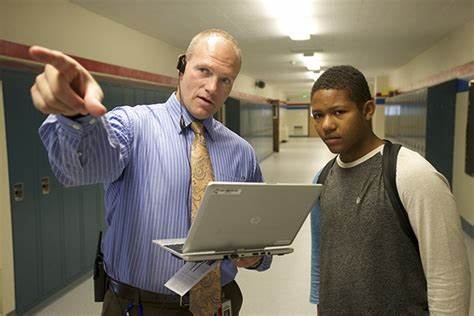
Perhaps you will learn a great deal as you look at the material and recommendations we offer in the curriculum section, especially the research related to your particular school and district. Plus, the research related to the student populations in general and the particular group of students you want to serve. That way you are equipped with the facts, which is the basis for the community providing services. There is more discussion on this topic later meanwhile, you may as well realize from the outset that it may not be a picnic trying to partner with schools to provide services like ACT. It helps to have a school leader Like Dr. Wade Barringer, pictured above. First of all he recognized the need for community support and was willing to partner with a fledging community organization like the CNC to provide support. During a time when so many schools were closed systems shunning community local community organizations of color, Wade brought us and helped me train Academic Coaching relative to working with school staff, policies, procedures, and practices. When Ray Lee and I were negotiating/doing battle with certain central office staff to implement Academic Coaching, Wade Barringer stood behind us all the way. it's a long story and learn more about Dr. Wade Barringer in the curriculum section. However, it was the commitment of community people who care about their community who implemented and made Academic Coaching a reality. Consider the kind of commitment it may take below.
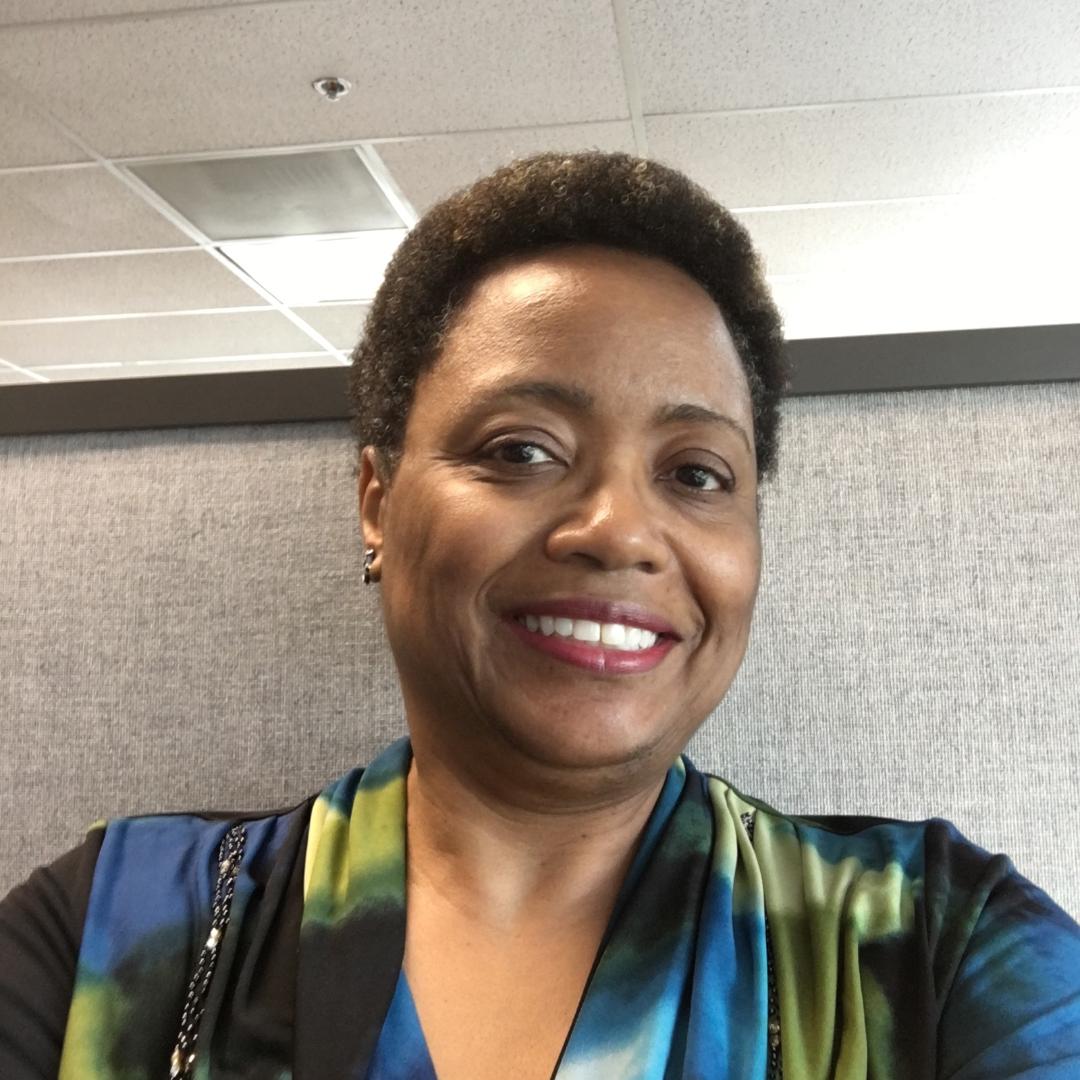
Barbara Phillips
Barbara Phillips came to me one day in 2010 and said something to this effect, "I got that grant to provide the support to families and students we talked about." The support was based on my experience as a teacher and an administrator, as well as solid research I had gathered and shared, and of course, her experience as a single mom raising two Black boys to be successful in school and later in life. The idea was that when students and families set up structures and practices at home that have been proven to help with academic achievement, students experience greater success in school, and have a better chance of success in life. Academic Coaches would show students and parents how and stand by them the way any other coach would work with students and their families. The grant amount was minuscule, but it was more than any of us had previously during the many years of our advocacy and activities.
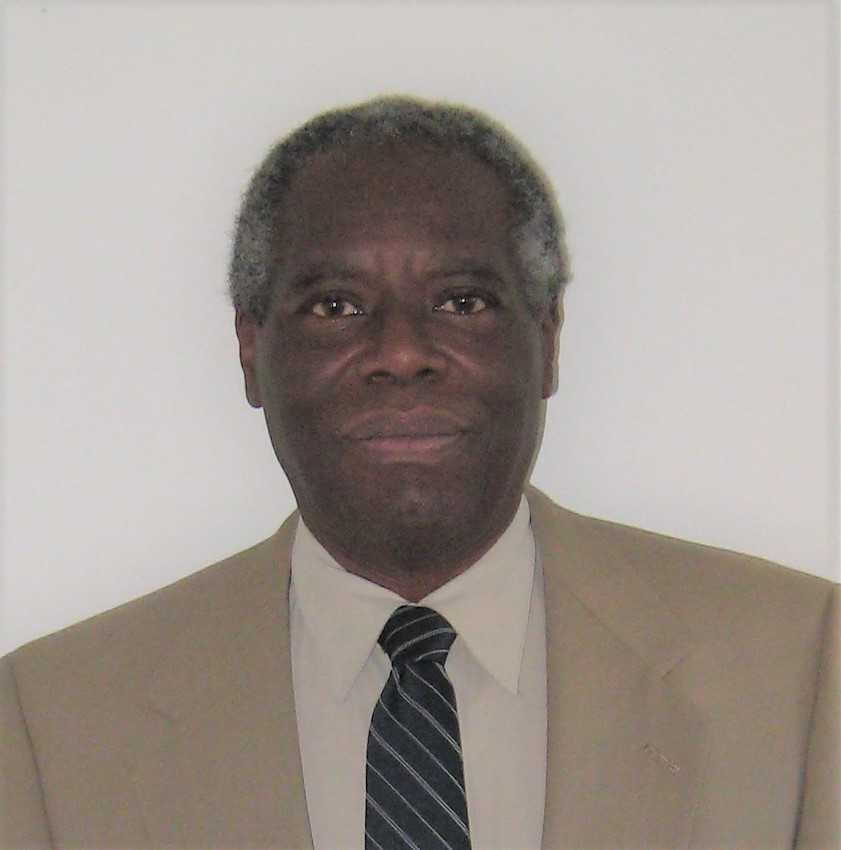
Ray Lee
Ray Lee, a long-time friend since we had met when he responded to my request for community members to meet with me at the district office. I am including a snapshot of the roles individual community members played in getting Academic Coaching up and running in the district so that people who decide to implement academic coaching will have some idea of what it may entail doing so. it's one thing to have an idea to serve students and families, and even find money to get started, but it is quite another to get it implemented in the 4th largest school district in the state at the time. Suffice it to say, Ray Lee and I spent many days and nights without any compensation developing strategies while Barbara was on her regular job, we were in meetings with the district lawyer and other central office personnel, advocating for AC and working through the implementation details. Like Barbara Phillips and Neshella Mitchell’s role in maintaining and growing Academic Coaching, especially the business end, Ray’s role was indispensable in negotiating and implementing academic Coaching.
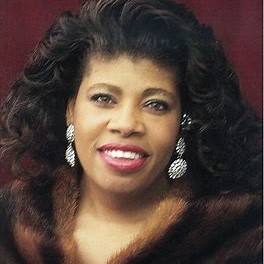
Neshella Mitchell
I recall training Neshella Mitchell to be an Academic Coach after we had implemented Academic Coaching in the district. At the time she was a very good friend of Barbara's and a well educated strong Black woman with a history of service. Academic Coaching would soon become another area of service for her since I hired and trained her to be a coach and later asked her to manage the program. Neshella continues to do outstanding work as she and Barbara have hired and managed Academic Coaching, built the CNC organization which continues to find resources, and have expended Academic Coaching to more schools. Again, the children are the responsibility of the community, which should have ways of monitoring and supporting those who serve the community's children. Academic Coaching is an outstanding approach. If you are considering venturing out to implement Academic Coaching, you will probably benefit from a conversation with people who have demonstrated success with it.
Sample Curriculum
- Organizing
- Academic Coaching Packet: 2nd Edition pdf
- Research and Best Practice
- Agreements with Districts/Schools
- Forming a Nonprofit
- Allies, Policy Makers
- Grants
- Networking
- The Hiring Process
- Training
- Personnel Issues
- Other Products to Offer, e.g., Professional Development Courses, Lectures, Seminars